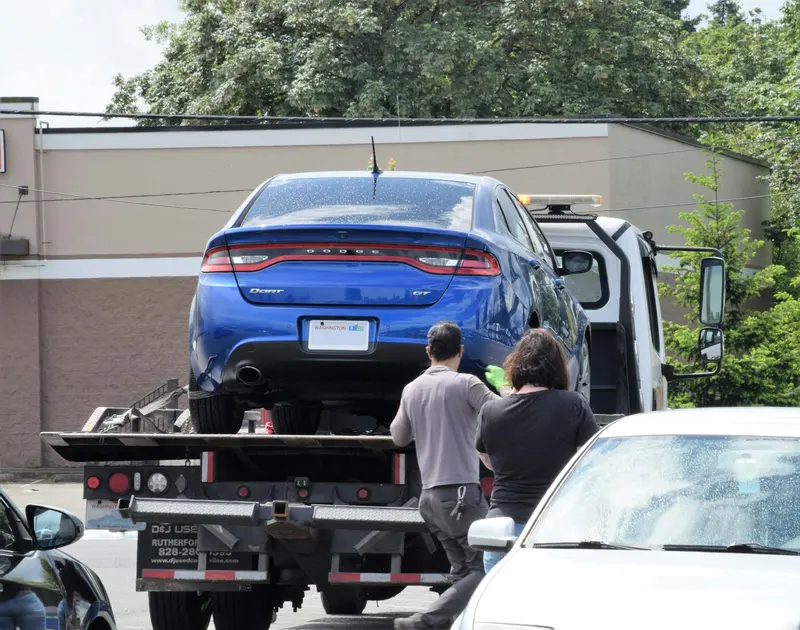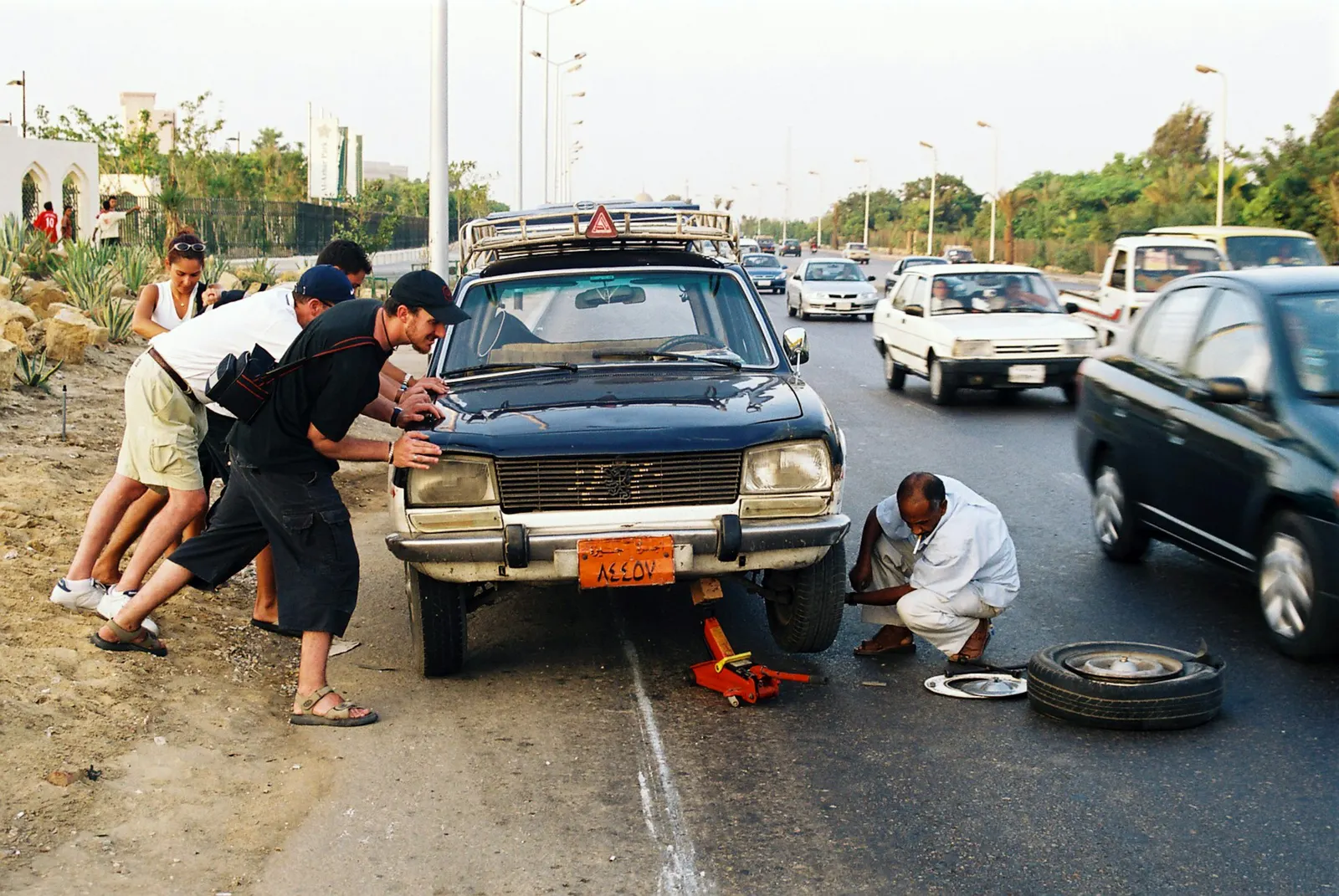
Roughly half of all roadside calls in the US are not tows. They are dead batteries, locked doors, flat tires and empty tanks, and they get resolved in twenty minutes by someone with a jump pack, a lockout kit and a jack. That is the opening for a roadside assistance business: you can start with a pickup and $5,000 in equipment, take dispatched calls from the motor clubs on your first week, and leave towing, with its $70,000 truck and $10,000 insurance bill, for later or never.
This guide explains how to start a roadside assistance business as a light-service operator: the equipment that covers 90 percent of calls, the motor club networks that supply volume and the direct customers that supply margin, the insurance and vehicle requirements, and how to price and run a 24-hour operation without burning out in month three. It is written for a US operator starting with one vehicle, and it points out where the path to a tow truck business branches off.
What a roadside assistance business actually looks like day to day
A call comes in, from a motor club app or your own phone. You get an address, a vehicle description and a problem. You are expected on scene within 30–45 minutes for club calls, faster for direct customers who are paying cash and comparing you to the other name they found. On scene you park behind the vehicle with amber lights on, assess, fix (a jump takes five minutes, a lockout five to fifteen, a tire change fifteen to thirty), get a signature or photo, and go. A good day is eight to twelve calls, mostly clustered around morning commute, evening commute and late night.
The call pattern is uneven. Cold snaps and heat waves kill batteries and create surge days of twenty-plus calls. Rain brings lockouts and dead batteries; holidays bring fuel deliveries and lockouts in mall parking lots. Nights and weekends pay best because most providers do not want to work them. If you only want to work 9 to 5, you will get a fraction of the volume.
Market signals to know: motor club light-service calls pay $35–$85 and direct calls pay $75–$300. Most solo operators mix the two and average $60–$90 per call. The margins are good because the consumable cost per call is near zero apart from fuel; the risk is the road itself, which is why insurance, lighting and where you park matter more than any tool in the truck.
People who thrive here are patient with stressed strangers, comfortable on the shoulder of a highway at 2 a.m., mechanically competent without needing to be a mechanic, and disciplined about safety. What kills these businesses: relying on a single motor club that cuts rates or drops you, a vehicle that breaks down, an accident on the shoulder without proper coverage, and fatigue from trying to be on call 24/7 alone.
Step 1: Decide what you will and will not do
Light service only
Jump starts, lockouts, tire changes, fuel delivery, battery testing and replacement, minor items like a loose belt or a blown fuse. Vehicle: any reliable pickup, SUV or van. Startup: $3,000–$8,000. This is where nearly everyone should start, and plenty of operators stay here profitably.
Light service plus mobile battery and tire
Add an inventory of the eight or ten most common battery group sizes ($100–$200 wholesale each), a tire plug and patch kit, and a portable tire changer or a relationship with a tire shop. A delivered and installed battery is a $150–$300 ticket, and tire repair on site avoids a tow. This is the natural first expansion because it turns a $65 call into a $250 one.
Light service plus towing
A wheel-lift truck or a rollback adds $60,000–$120,000 (used to new), on-hook and garage keepers insurance, state and local tow permits, and a very different set of hazards. Towing pays $125–$250 per hook plus mileage from motor clubs and more for private and police-rotation work. Add it only once light-service volume proves the market.
Fleet and B2B accounts
Delivery fleets, rental car branches, dealerships, used car lots and property managers all need someone to jump, open and swap tires on a monthly account. These pay slower but are steadier than club calls. Approach them in month three or four with a few dozen calls of experience.
Tip: Write down what you will not do before your first call. Most light-service operators decline: any vehicle in a live lane on a highway without police on scene, vehicles in water or on their side, motorcycles they are not equipped for, and any repair beyond jump, lockout, tire, fuel and battery. Having the list ahead of time keeps you from improvising at 1 a.m.
Step 2: Set up the business, permits and vehicle
Form an LLC ($50–$500 depending on state), get a free EIN from the IRS, and open a business bank account. Motor clubs will ask for the EIN, the LLC documents and a W-9 before they will register you.
Then check these, because they vary by state and city:
- Business license. Many cities require one for any business operating inside city limits ($25–$150 a year).
- Motor vehicle repair registration. A handful of states license anyone who performs vehicle repairs for a fee, and battery replacement can count. Check California’s Bureau of Automotive Repair, Florida’s motor vehicle repair registration, Michigan’s mechanic certification, and search “[your state] motor vehicle repair license” if you are elsewhere.
- Towing permits and DOT numbers. Only if you tow. Most states register tow operators through the DOT or DMV, many cities have their own permit, and interstate towing requires a USDOT number. Skip this whole layer as a light-service operator.
- Amber warning lights. Legal for roadside service vehicles in most states, but some require a permit or restrict colors and patterns. Search “[your state] amber light permit service vehicle.” Never use red or blue.
- Fuel transport. Carrying a few gallons of gasoline in approved cans is fine in a personal-use quantity; a large transfer tank can trigger hazmat rules. Stay under 25 gallons and use DOT-approved containers with a secured mount.
- Sales tax. Batteries and parts you sell are taxable in most states; labor may or may not be. Register with your state department of revenue.
The vehicle needs to start every time, carry your gear securely and look like a service truck. A used half-ton pickup or a cargo van with a cap or shelving, wrapped or lettered with your name and number, is the standard. Keep the vehicle itself in good repair; a roadside company that breaks down on the way to a call does not get a second chance from the dispatcher.
Step 3: Insurance and motor club requirements
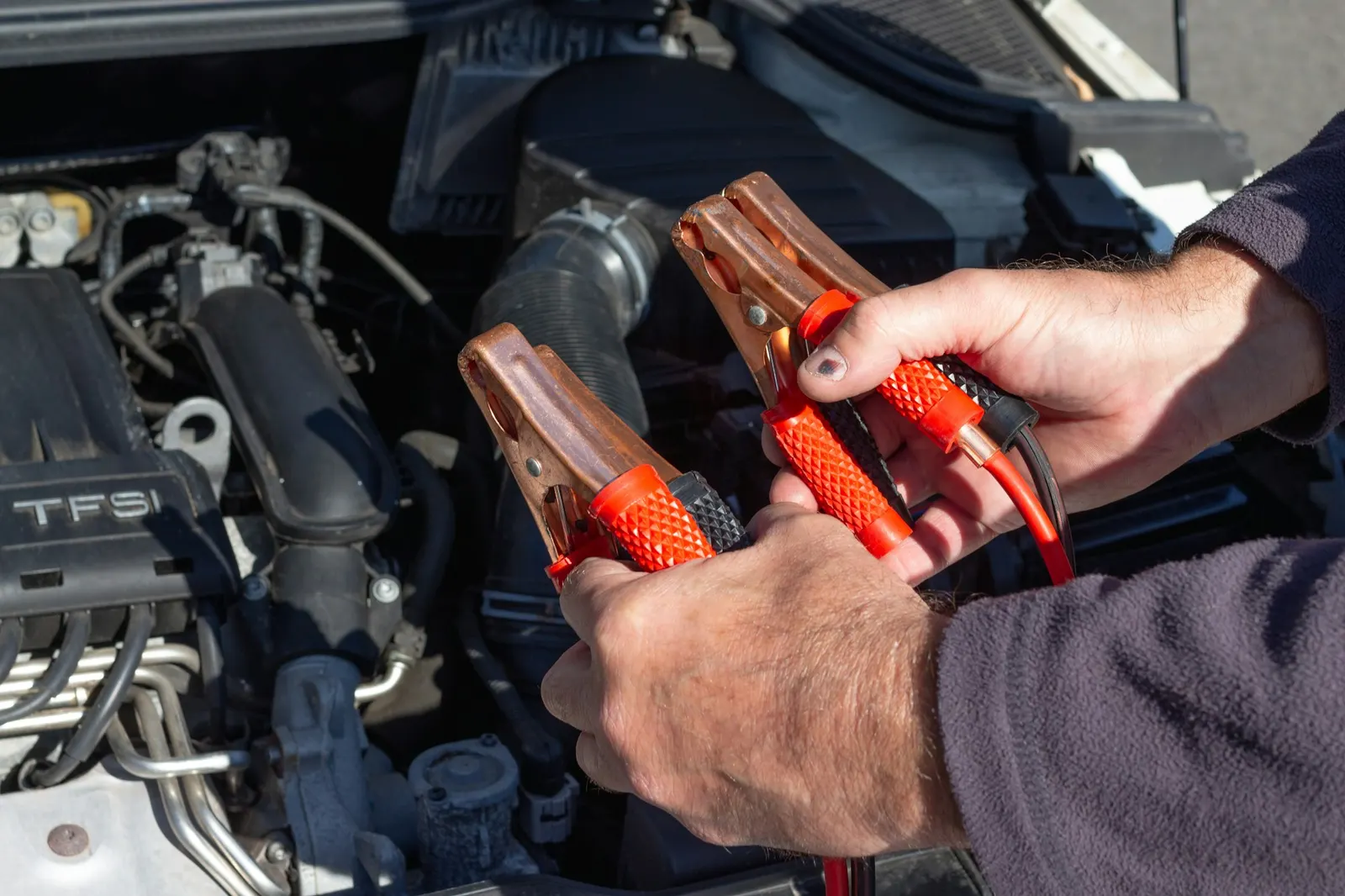
Insurance is the gate to this business. The motor clubs will not onboard you without it, and personal auto insurance will deny a claim the moment they learn you were on a paid call.
| Coverage | What it does | Typical annual cost (one light-service unit) |
|---|---|---|
| Commercial auto, $1M CSL | Your service vehicle, at fault or not, while working | $2,500–$6,000 |
| General liability, $1M/$2M | Damage to a customer’s vehicle or property during service, injury to others | $800–$2,000 |
| Inland marine / tools | Jump packs, tools, batteries stolen or damaged | $200–$500 |
| Occupational accident or disability (for yourself) | Your medical bills and income if you are hurt on the shoulder | $700–$1,800 |
| On-hook and garage keepers | Only if towing; covers the towed vehicle and vehicles in your care | $3,000–$8,000+ |
| Workers’ comp | Required in most states once you hire | $2,500–$5,000 per employee |
Insurers rate roadside service as a higher-risk class than delivery, so expect to call a broker who works with tow and service operators rather than an online quote tool. Have your vehicle VIN, driving record, service list and expected radius ready.
Motor clubs (Agero, Urgently, Honk, Allstate Roadside, and the insurers’ own programs) will typically ask for: certificate of insurance naming them as additional insured, a W-9, LLC paperwork, a photo of your lettered vehicle, driver background checks, and sometimes proof of equipment. Onboarding takes one to four weeks. Register with two or three networks from the start so no single dispatcher controls your income.
Step 4: Equipment and startup costs
Everything listed is what working operators actually carry. Buy quality on the four items you use every day (jump pack, lockout kit, jack, impact) and go cheap on the rest.
| Item | Lean start | Full setup |
|---|---|---|
| Lithium jump pack, 3,000–4,000A (two if possible), plus heavy-gauge cables as backup | $250–$500 | $500–$900 |
| Professional lockout kit (wedges, long-reach tools, air wedge) | $100–$250 | $250–$500 |
| Floor jack (2–3 ton, low profile), bottle jack, jack stands, wheel chocks | $200–$400 | $400–$700 |
| Cordless impact wrench, socket set, torque wrench, breaker bar, lug key set | $250–$500 | $500–$900 |
| 12V or cordless air compressor, tire gauge, plug kit | $100–$250 | $300–$600 |
| Fuel cans (DOT-approved, 5 gal gas and diesel), funnel, secure mount | $80–$150 | $150–$300 |
| Battery tester and multimeter | $60–$150 | $150–$300 |
| Battery inventory (8–10 common group sizes) | — | $1,200–$2,000 |
| Amber LED light bar or magnetic beacons, work lights, headlamp | $150–$400 | $400–$1,000 |
| Safety: ANSI Class 2 vest, cones or triangles, flares, gloves, first aid kit, fire extinguisher | $120–$250 | $250–$500 |
| Vehicle lettering or wrap | $300–$800 | $1,500–$3,500 |
| Truck cap, shelving or van organization | — | $800–$2,500 |
| Insurance (first year, financed) | $1,000–$2,500 | $4,000–$8,000 |
| LLC, licenses, business cards | $150–$700 | $300–$1,000 |
| Dispatch/invoicing app, phone plan, website, Google Business Profile | $200–$500 | $600–$1,500 |
| Total (vehicle owned) | $3,000–$7,500 | $12,000–$20,000+ |
Buy two jump packs and keep one charging; a dead pack on a battery call is the fastest way to lose a dispatcher’s trust. And buy a real floor jack, not the scissor jack from a trunk: you will change tires on wet gravel shoulders and the low-profile jack is what makes it safe.
Step 5: Price per call, know your two rate cards
You will run two rate cards: what the motor clubs pay you (set by contract) and what direct customers pay you (set by you). The second one is where the profit is, and building it is the main job of your first year.
| Service | Motor club pays you | Direct customer price |
|---|---|---|
| Jump start | $35–$65 | $75–$125 |
| Lockout | $35–$70 | $75–$125 |
| Tire change (spare on) | $45–$85 | $85–$150 |
| Fuel delivery (plus fuel cost) | $35–$65 | $75–$125 + fuel |
| Battery delivered and installed | Rarely dispatched | $150–$300 (incl. battery) |
| Tire plug or patch on site | Rarely dispatched | $60–$120 |
| After-hours surcharge (10 p.m.–6 a.m.) | Usually none | +$25–$50 |
| Mileage beyond 10–15 miles | $2–$4 per mile en route in some contracts | $2–$3 per mile |
| GOA (gone on arrival) fee | $25–$45 | $50–$75 if committed |
Motor club math: eight club calls a day at an average of $55 is $440. Fuel at 100–150 miles a day runs $25–$40, so you clear about $400 in a long day, or roughly $8,000 a month on club volume alone, before insurance and vehicle costs. That is a living but not a business.
Now mix in direct calls. Four club calls and four direct calls averaging $110 is $660 a day, and two of those direct calls will turn into a battery sale a couple of times a week at $80–$120 margin each. That mix, sustained six days a week, approaches $15,000 a month in revenue. The gap between the two scenarios is your website, your Google reviews and your phone.
Direct customers pay on the spot by card, tap-to-pay or cash app. Get payment before you leave; a stranded motorist who is now unstranded has little incentive to pay later. Motor clubs pay net 15 to net 45 by direct deposit, so carry a cash cushion for the first two months.
Watch out: Motor clubs adjust rates, change zones and deactivate providers with little notice. Treat club volume as a way to stay busy while you build a direct book, never as the business itself.
Step 6: Get online and be the name they find at 11 p.m.
A stranded driver searches “roadside assistance near me” or “jump start near me” on a phone, with a dying battery of their own, and calls the first result that looks legitimate and says it is open now. That is the entire path from problem to purchase, and your website and Google Business Profile have to win it in fifteen seconds.
Your site needs a services page with flat prices (people in a crisis want a number, not a quote form), your coverage area with a map or a list of cities and highways, your hours (24/7 if you mean it), photos of your lettered truck and you in a vest, reviews, and a tap-to-call phone number at the top of every page on mobile. A “request help” page that collects location, vehicle and problem is useful for the customers who would rather text than talk.
You can have Restart build it: describe the business, the services and flat rates, the area you cover and how you want people to reach you, and it builds the pages, writes the copy, designs the site and publishes it to a real URL. When you add battery replacement or extend your coverage zone, you ask for the change and it is live. Restart fits a service business like this one, where the site’s only job is to make a stranded person confident enough to tap the number.
Your Google Business Profile matters even more than the site. Set it up as a service-area business with 24-hour hours, add the services individually, upload real photos of your truck at work, and ask every direct customer for a review before you drive off. Twenty reviews in your first three months will move you into the local results that generate direct calls. Answer the phone every time it rings; a call you miss at 11 p.m. goes to the next result within a minute.
Step 7: Get the first customers
- Motor club networks first. Register with two or three (Agero, Urgently, Honk, plus any insurer programs active in your area) during week one, because onboarding takes weeks. Accept every call in your zone for the first month and keep your on-time rate above 90 percent; dispatchers route to reliable providers.
- Google Business Profile and reviews. As above. The first direct calls arrive within a few weeks of the profile going live if you have photos and a handful of reviews.
- Parking lots, apartment complexes and campuses. Property managers, security desks and student housing offices field lockout and dead battery calls constantly. Leave cards and a simple flat-rate sheet.
- Auto parts stores and repair shops. The counter staff at parts stores get asked “do you know anyone who can jump my car?” daily. Repair shops get calls they cannot leave the shop for. Offer a referral fee or just reliable, fast service.
- Used car lots, rental branches and small fleets. Offer a monthly account with agreed rates for jump starts and tire changes on their lot and for customers. Ask for the manager; bring your certificate of insurance.
- Facebook groups and Nextdoor. Post your flat rates and coverage area, and answer every “anyone know someone who can open a locked car?” thread within minutes.
- A magnetic sign or wrap on the truck. You will get flagged down in parking lots. It happens more than you think.
For your first five direct jobs, charge your listed rate. Discounting roadside service does not build loyalty because the customer hopes never to need you again; speed and a fair posted price are what earn the review and the referral.
Step 8: Operate safely and grow to a second unit
Scene safety. Position your truck behind the customer’s vehicle at an angle, amber lights on, cones or triangles out, vest on. Work on the side away from traffic whenever possible; if the flat is on the traffic side of a highway shoulder, move the vehicle or call for a tow rather than kneel in a lane. Ask the customer to wait in their car or well off the road. Say no to any scene you judge unsafe; the club will send someone else and you will still be in business.
Dispatch and records. Use a dispatch or field-service app that logs each call, time on scene, photos and payment. You will need the record when a customer disputes a charge or a club audits your response times. Photograph the vehicle before and after every job, especially lockouts.
Availability. You cannot be awake 24/7. Most solo operators run 12–16 hour windows and go offline for six hours, or partner with a second operator to split nights. Being reliably available during your stated hours beats being sometimes available all the time.
Adding a second unit. When you regularly turn down calls or your on-time rate slips because you are stretched across a metro, a second truck and driver at $18–$25 an hour plus a per-call bonus roughly doubles capacity for $10,000–$15,000 in equipment and a second commercial auto policy. What breaks at 2×: dispatch (someone has to assign calls, which is now a job), quality (the second driver’s manner with customers is your brand), and insurance cost, which nearly doubles. Many operators pause here, run two units well, and either add a wheel-lift truck for towing or build B2B accounts rather than adding a third light-service unit.
How much can you make?
These scenarios use 2026 rates, assume the vehicle is owned, and include fuel, insurance, software, marketing, vehicle maintenance and, where relevant, wages.
| Scenario | Calls per week | Avg revenue per call | Gross revenue (year) | Costs (year) | Profit before tax |
|---|---|---|---|---|---|
| Side income (nights and weekends, club-heavy) | 15 | $60 | $47,000 | $13,000 | $34,000 |
| Full-time solo, club only | 40 | $58 | $120,000 | $50,000 | $70,000 |
| Full-time solo, club and direct mix with battery sales | 40 | $85 | $175,000 | $58,000 | $117,000 |
| Two units, one employee | 75 | $85 | $330,000 | $190,000 | $140,000 |
A note on the numbers. Forty calls a week at an $85 average sounds modest, but it assumes you are on call six days, answering every phone call, and converting a third of your direct calls into higher-ticket battery or tire work. The club-only row is what most solo operators actually earn in year one, before the direct book exists. The two-unit scenario is where the owner’s time shifts from turning wrenches to dispatching, selling accounts and keeping two trucks and two insurance policies alive; net profit per unit falls even as total profit rises.
The ceiling for a light-service-only company is three or four units in a large metro and $300,000–$500,000 in revenue. Beyond that, the businesses that scale add towing, heavy-duty or fleet contracts, and the economics become a tow truck business.
Mistakes that sink new roadside assistance owners
- Depending on one motor club. A rate cut or deactivation takes your income to zero overnight. Fix: register with two or three networks and build a direct book from day one.
- Using personal auto insurance. The claim is denied and the business is over. Fix: bind commercial auto and general liability before your first call.
- Parking in front of the customer’s vehicle or without lights. Roadside workers get struck every year, usually from behind. Fix: truck behind the vehicle, angled, amber lights on, cones out, vest on, every time.
- Not carrying a second jump pack or a working spare jack. Equipment failure on scene is a GOA on your record and a lost customer. Fix: redundancy on the four core tools.
- Quoting vaguely on the phone. A stressed driver hears “it depends” and calls the next result. Fix: flat rates on the site and quoted on the phone in one sentence.
- Trying to be on call 24/7 alone. By month three you are exhausted and your on-time rate collapses. Fix: set a 12–16 hour window, go offline reliably, partner for nights.
- Attempting jobs outside your scope. Pulling a car out of a ditch with a tow strap on a pickup is how vehicles and people get damaged. Fix: keep the “will not do” list and call for a tow.
Your first 30 days
Week 1
- File the LLC, get an EIN, open a business bank account, and check city business license and any state repair registration.
- Call two brokers who insure tow and service operators; get commercial auto and general liability quotes.
- Start motor club applications with two or three networks (they take weeks).
- Buy the core kit: two jump packs, lockout kit, floor jack and stands, impact wrench and sockets, compressor, fuel cans, amber lights, vest, cones.
- Build the website on Restart: services with flat rates, coverage area, 24/7 hours, tap-to-call, request-help page.
Week 2
- Bind insurance and send certificates to the motor clubs.
- Letter or wrap the truck; mount lights and secure the fuel cans.
- Set up Google Business Profile as a 24-hour service-area business; upload photos of the truck and kit.
- Practice: jump, lockout and tire change on five friends’ and family members’ cars, timed, with photos.
- Set up a dispatch/invoicing app and a tap-to-pay card reader.
Week 3
- Go live with the first motor club that approves you; accept every in-zone call and log times and photos.
- Post flat rates in five local Facebook groups and Nextdoor.
- Drop cards and a rate sheet at ten apartment complexes, three parking garages and five auto parts counters.
- Ask every direct customer for a Google review on the spot.
Week 4
- Review call data: which hours and zones produce calls, on-time rate, average revenue per call, GOA rate.
- Price a battery inventory for the eight most common group sizes in your calls and add battery replacement to the site.
- Email three used car lots or rental branches with a monthly account offer and your certificate of insurance.
- Set your sustainable hours and decide whether to partner with a second operator for overnight coverage.