A single light-duty tow truck that stays busy grosses $180,000 to $280,000 a year, and a used rollback that can do the work costs $60,000 to $120,000. That sounds like an easy call until you see the insurance quote: $8,000 to $18,000 a year for one truck, before you have towed a single car. Insurance, not the truck, is what separates the people who start this business from the people who talk about it.
This guide walks through how to start a tow truck business in 2026 the way experienced operators would tell you over coffee: which truck to buy first, what USDOT and state towing rules apply, what the insurance really costs and why, how to price hooks, mileage and storage, how motor clubs and police rotation work, and how to get your first 30 calls without spending a fortune on ads. It is for someone with $15,000 to $40,000 to put down, a clean driving record, and the willingness to answer the phone at 2 a.m.
What a tow truck business actually looks like day to day
Calls come in three flavors. Roadside (dead battery, flat, lockout, out of gas) pays $50 to $120 and takes 30 to 60 minutes. Tows (breakdowns to a shop, accident recovery, dealer transfers) pay $100 to $300 and take an hour or two. Specialty work (winch-outs, motorcycles, low-clearance exotics, long-distance transport) pays $200 to $600 and is where the margin lives. A busy solo operator runs 6 to 9 calls a day, drives 150 to 250 miles, and spends the gaps parked somewhere central with the phone on.
Demand is steadiest in winter (dead batteries, ice) and during summer heat waves and holiday travel weekends. Weeknight and weekend calls pay more and are where private customers are most desperate. Police rotation work spikes after storms and on Friday and Saturday nights. Nothing about the schedule is 9 to 5; if you are not willing to run nights, plan on a partner who is.
Who thrives: people who are mechanically comfortable, patient with stressed drivers, disciplined about paperwork, and not rattled by working on the shoulder with traffic at 70 mph a few feet away. What kills tow businesses: an at-fault accident in year one that doubles the premium, buying too much truck, relying entirely on $60 motor club calls, and taking on private property impounds without understanding the state rules.
Step 1: Choose your truck and your first market
Wheel-lift (light duty). A hydraulic lift that cradles the front or rear wheels. Fast to hook, fits in parking garages, cheaper to buy ($40,000 to $80,000 used, $90,000 to $130,000 new) and to insure. Cannot safely move all-wheel-drive vehicles without dollies or haul a car with wheel damage.
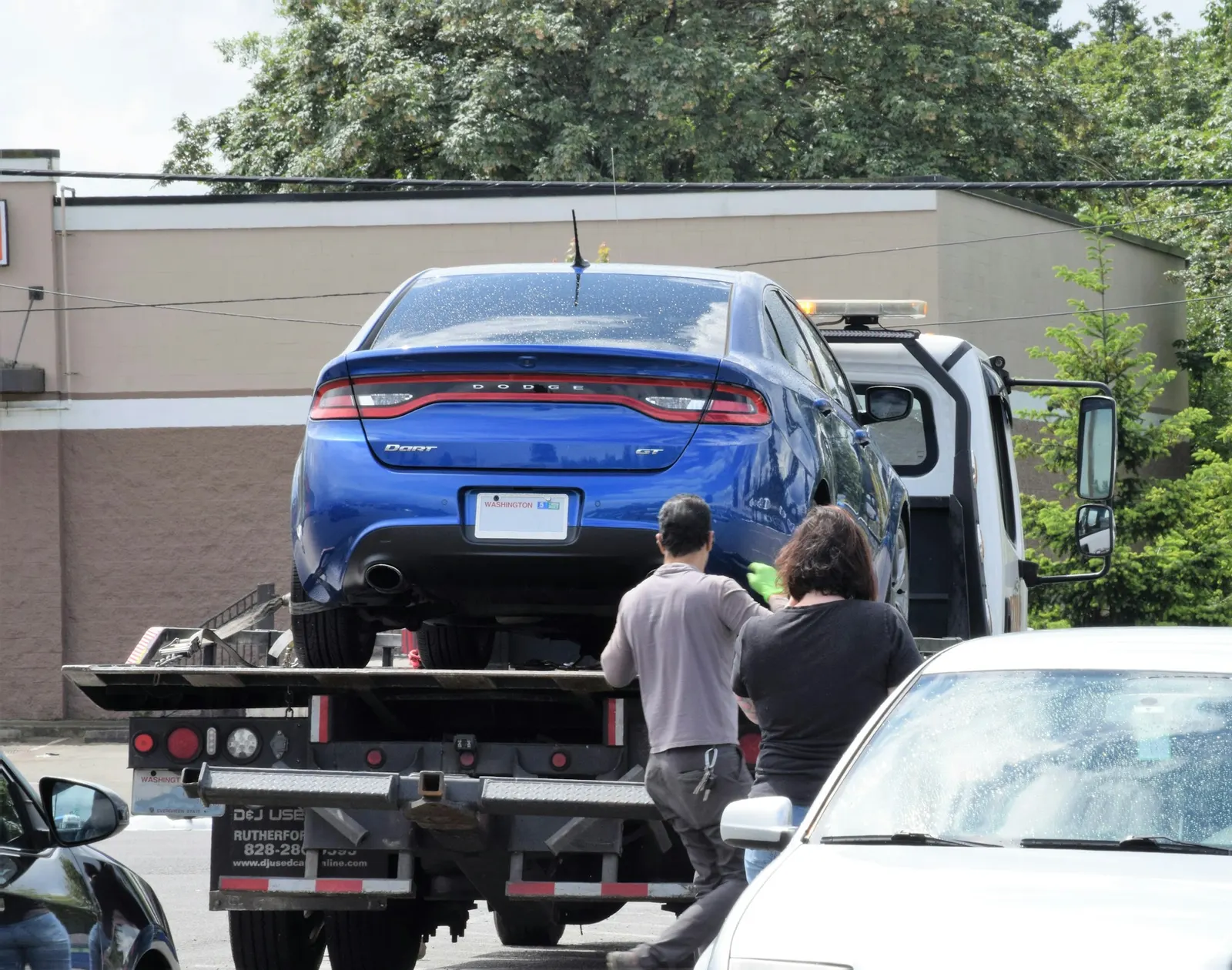
Rollback / flatbed. A tilting bed that carries the vehicle off the ground. Handles AWD, exotics, accident-damaged cars, motorcycles and dealer transfers. Costs more ($60,000 to $120,000 used, $120,000 to $200,000 new) and takes longer per hook. If you can only own one truck, buy the rollback; it does 95 percent of light-duty calls and the higher-paying ones.
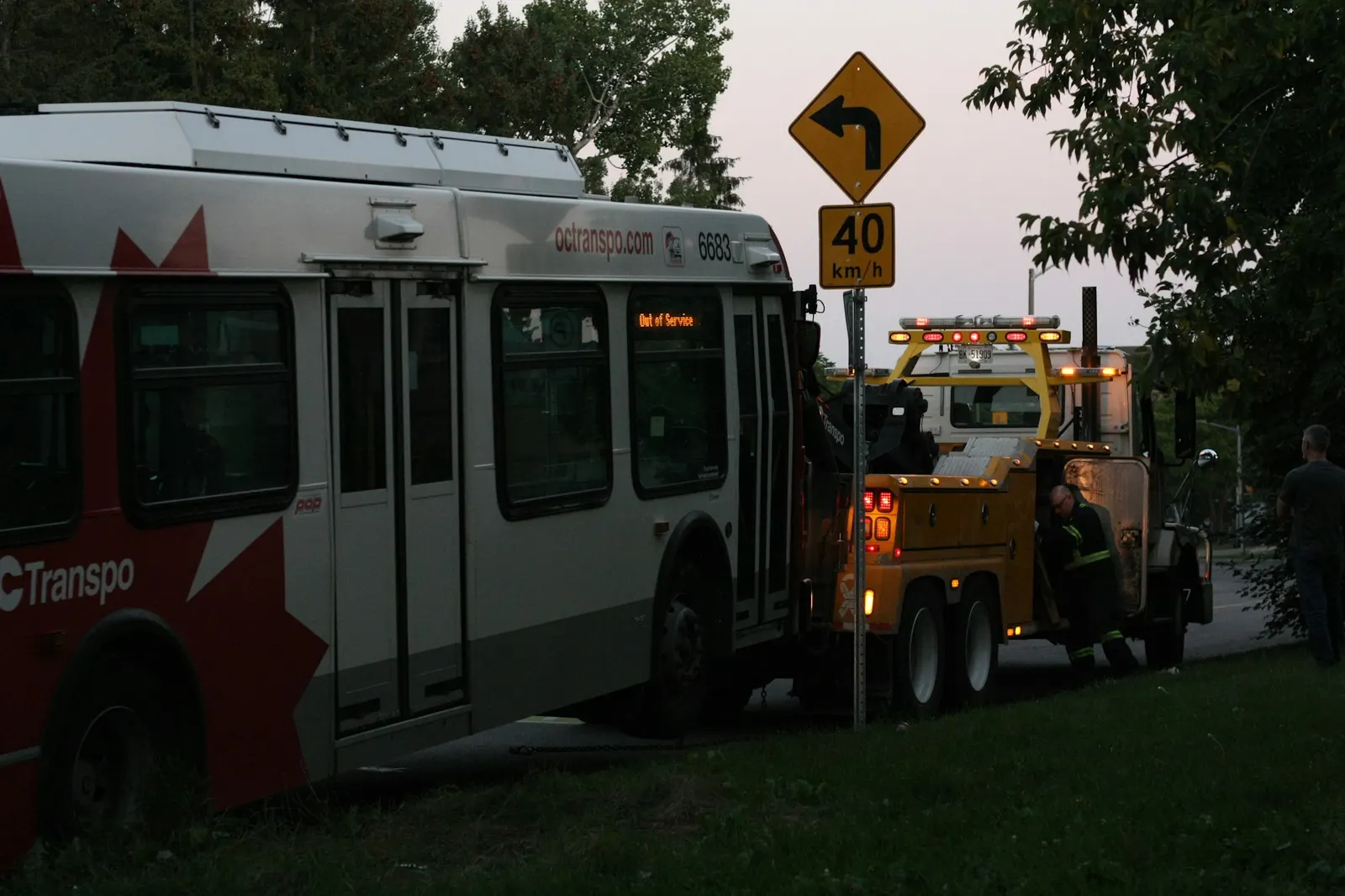
Integrated / heavy wrecker. For trucks, buses and RVs. $250,000 to $600,000 and a CDL. Not a first truck.
Buy used, 2016 or newer, under 150,000 miles, with a bed that shows no cracks or weld repairs and full hydraulic service records, and have a towing-specific shop inspect it. A Jerr-Dan, Miller or Dynamic bed on a Ford F-550, Ram 5500 or Chevy 5500 chassis holds value.
Pick the market you will lead with
- Private-party roadside and tows. Calls from Google, word of mouth and referrals. Highest per-call price, most reputation-sensitive.
- Motor club network. Agero, Urgently, Honk, Swoop and others dispatch you jobs at fixed rates. Instant volume, low pay.
- Shop, dealer and fleet accounts. Mechanics, body shops, dealerships and rental branches need cars moved daily and pay on account. Steady and repeat.
- Police rotation. Your city or county’s list of approved towers called to accidents and arrests. Requires an application, a response-time commitment, specific equipment and usually a fenced storage lot. Highly profitable because of storage fees; the waitlist can be long.
- Private property impound (PPI). Towing from apartment complexes and lots under contract. Lucrative but tightly regulated by most states and a source of constant conflict. Not a starting point.
Lead with private calls plus shop and dealer accounts, use motor clubs to fill the calendar, and apply for rotation the day you qualify.
Step 2: Licenses, permits and the USDOT number
Towing is one of the more regulated small businesses, and the rules are layered: federal, state, and city.
Entity and EIN. Form an LLC ($50 to $500 depending on state). Towing has real liability exposure; you want your house separated from a claim over a damaged Range Rover. Get the free EIN at IRS.gov and open a business account.
USDOT number. Required for any commercial vehicle over 10,001 pounds GVWR, which is every tow truck. Free, apply through FMCSA’s Unified Registration System. If you will tow across state lines for hire, you also need operating authority (an MC number, $300 filing fee) and a BOC-3 process agent filing. Most new light-duty operators stay intrastate and skip MC authority at first; check whether your state requires intrastate authority or a state DOT registration on top of the federal number.
Driver requirements. A DOT medical card (physical exam, $80 to $150) for anyone driving a truck over 10,001 pounds. No CDL for light-duty trucks under 26,001 pounds GVWR.
State towing licenses. This is where it varies most. Some states license the company, the individual operator, and the storage facility separately (Texas, through TDLR, is the clearest example, with fees and a required training course). Others regulate through the state police or a public utilities commission, and some leave it entirely to cities. Search “[your state] tow truck operator license” and “[your state] vehicle storage facility license,” and read the statute on non-consent towing before you take any PPI or rotation work.
City permits and rotation. Many cities require a towing business permit, an annual truck inspection, and a decal. Police rotation has its own application: typically proof of insurance at stated minimums, a truck of a specified class, a storage lot within a set distance, 24/7 availability, and a response time of 20 to 30 minutes. Call your police department’s non-emergency line and ask who administers the rotation list.
Certifications. WreckMaster and TRAA operator certifications are not legally required in most places but appear on rotation applications and some motor club requirements, and can lower insurance. Level 1 courses run $300 to $700.
Watch out: Non-consent towing (rotation and PPI) has its own fee caps, notice rules and payment requirements in most states. A single violation can cost you the rotation slot you waited a year for.
Step 3: Tow truck insurance, the real number
Get quotes before you buy the truck, because the quote may change what you buy. Expect a new-venture surcharge for the first two years.
- Commercial auto liability, $750,000 to $1M combined single limit: $6,000 to $12,000 a year per light-duty truck for a new operator with a clean record. Most rotation lists and motor clubs require $1M.
- On-hook / cargo coverage for the vehicle you are towing, $50,000 to $100,000 limit: $1,200 to $3,000 a year. Required by every motor club and account.
- Garage keepers legal liability if you store customer vehicles, even overnight: $1,000 to $3,500 a year depending on lot value and security.
- General liability, $1M: $500 to $1,500 a year.
- Physical damage on your own truck (required by your lender): 2 to 4 percent of the truck’s value per year.
- Workers’ compensation when you hire: towing is a high-risk class, often $8 to $15 per $100 of payroll.
A realistic all-in first-year number for one used rollback is $10,000 to $20,000. Work with an agent who writes towing specifically, and expect carriers to want 20 to 25 percent down.
Step 4: Equipment and startup costs
| Item | Lean start (used wheel-lift) | Full setup (used rollback) |
|---|---|---|
| Truck | $40,000–$80,000 | $60,000–$120,000 |
| Down payment (if financed, 10–20%) | $5,000–$16,000 | $8,000–$24,000 |
| Straps, chains, J-hooks, wheel nets, snatch blocks | $1,200–$2,500 | $2,000–$4,000 |
| Dollies (GoJak-style) and skates | $1,500–$2,500 | $2,000–$3,500 |
| Amber light bar, work lights, cones, flares, PPE, ANSI vests | $800–$2,000 | $1,500–$3,000 |
| Jump pack, lockout kit, air compressor, fuel can, tire tools | $600–$1,200 | $1,000–$2,000 |
| Dispatch software (Towbook, TOPS, Beacon) | $50–$150/month | $100–$250/month |
| Card reader, business phone, GPS tracker | $200–$500 | $500–$1,200 |
| Insurance (first year, all lines) | $9,000–$15,000 | $12,000–$20,000 |
| USDOT, LLC, state/city permits, medical card, certification | $700–$2,000 | $1,500–$3,500 |
| Storage lot (fenced, lit; optional at start) | $0 | $800–$2,500/month |
| Website, Google Business Profile, truck lettering | $500–$1,500 | $1,500–$3,500 |
| Cash to launch (truck financed) | $22,000–$45,000 | $35,000–$70,000 |
| Cash to launch (truck bought outright) | $55,000–$105,000 | $85,000–$160,000 |
Truck lettering matters more here than in most trades: a clean truck with your phone number in 6-inch digits is a rolling ad, and lettering is required for rotation in many jurisdictions.
Step 5: Pricing tows, roadside and storage
Towing prices by a hook fee plus mileage, with flat rates for roadside services and add-ons for time, difficulty and hour of day. Non-consent tows are usually capped by state or city schedules; consent tows are whatever the market bears.
| Service | Typical private-party price | Motor club pay |
|---|---|---|
| Local tow, hook fee (includes 5–10 miles) | $95–$175 | $45–$75 |
| Additional mileage | $4–$7 per mile | $2–$3.50 per mile |
| Jump start | $60–$95 | $30–$45 |
| Lockout | $65–$120 | $35–$50 |
| Tire change | $65–$110 | $35–$50 |
| Fuel delivery (plus fuel) | $60–$95 | $35–$50 |
| Winch-out / recovery (per 30 minutes) | $125–$250 | $75–$125 |
| After-hours, weekend or holiday surcharge | +$25–$75 | Usually none |
| Storage, per day | $40–$80 | n/a |
| Dolly or flatbed-required surcharge | +$25–$50 | Often none |
| Heavy duty, hourly | $250–$500 | n/a |
Set a minimum call price of about $95 to $110 for private work and quote the total, not the hook fee, so there is no argument at drop-off. Take cards on the truck; cash-only towing is a red flag to customers and a bookkeeping mess. Shop and dealer accounts get a flat local rate ($85 to $125) with net-15 terms in exchange for volume.
The math on a full day
Seven calls: four private tows averaging $145 ($580), one winch-out at $200, two motor club roadside calls at $40 each ($80). That is $860 for the day. Fuel on 200 miles at 9 mpg is about $85, and the truck’s daily share of insurance, payment and maintenance is roughly $175. Net before tax is close to $600. Six such days a week is $14,000 a month gross and roughly $9,000 net if you are driving it yourself.
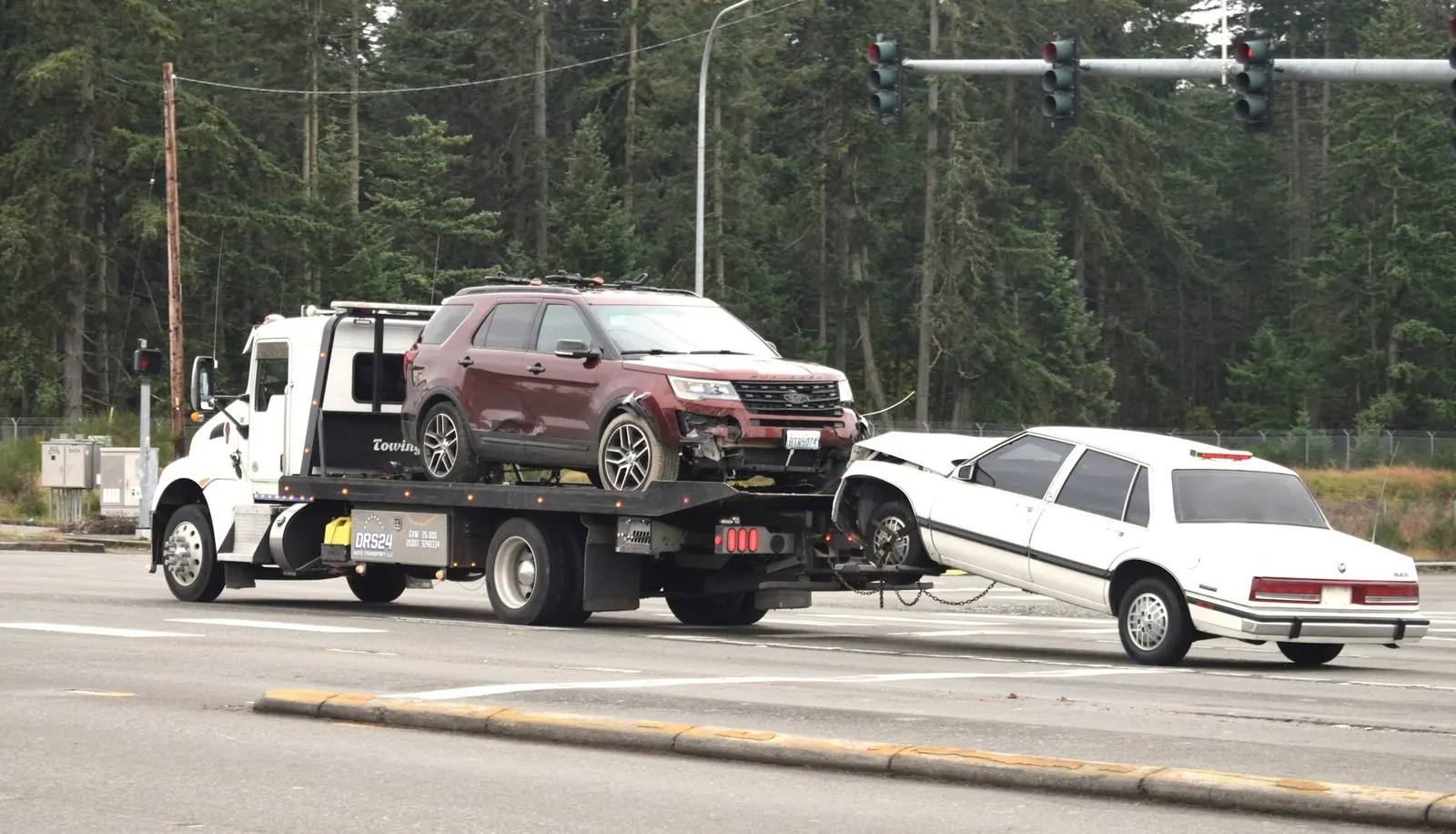
Step 6: Get online, because that is where calls come from
Most private tow calls start with someone standing next to a dead car typing “tow truck near me” into Google. The map results, not a website, get the click, but Google looks at your website to decide who ranks. Your site needs: the services you offer with prices or starting-at prices (customers on a shoulder want a number), your service area named by town and highway, “24/7” only if it is true, photos of your actual truck, reviews, the certifications and insurance you carry, and a phone number that is a tap-to-call button on every page.
You can have Restart build it: describe the company, your truck and services, your area, your pricing and how you want people to reach you, and it builds the pages, writes the copy, designs the site and publishes it to a real URL. When you add a second truck or a storage lot, change it by asking. It fits a local business like towing, where a credible site and a working phone number are the whole online strategy.
Then build the Google Business Profile carefully: category “Towing service,” accurate hours, a service area that matches what you can reach in 30 minutes, photos of the truck at work, and a review request texted to every private customer within an hour of drop-off. Google Local Services Ads, where you pay per lead, are worth testing once you have 10 reviews.
Tip: Answer the phone in two rings with the company name and “where are you?” Customers call the next listing after four rings. If you cannot answer while driving, a $30 to $60 a month answering service pays for itself in one saved call.
Step 7: Get your first 30 calls
Motor clubs, week one. Apply to Agero, Urgently, Honk and Swoop (some regions have others) with your COI, USDOT and truck photos. Approval takes one to three weeks. The pay is thin, but a new truck with no reviews gets 3 to 6 calls a day immediately and learns every road in the county.
Shops and dealers, weeks one through four. Visit every independent mechanic, body shop, transmission shop and used-car lot within 15 miles. Offer a flat local rate, a one-hour response, and a monthly invoice. Bring a card with your rate on the back. Mechanics have a customer with a dead car in front of them several times a week and will call whoever answers.
Roadside and adjacent operators. People running a roadside assistance business without a truck need a tower to hand off to and will send you the tow for a referral fee. The same goes for mobile mechanics and locksmiths.
Police rotation. Apply as soon as you meet the requirements, even if the list is closed; ask to be notified when it opens.
What to charge on the first 30. Your full private rate. Towing customers do not comparison-shop when stranded; they buy the tow from whoever answers and sounds competent. Do offer shops a $10 to $15 discount off the private rate in exchange for the account.
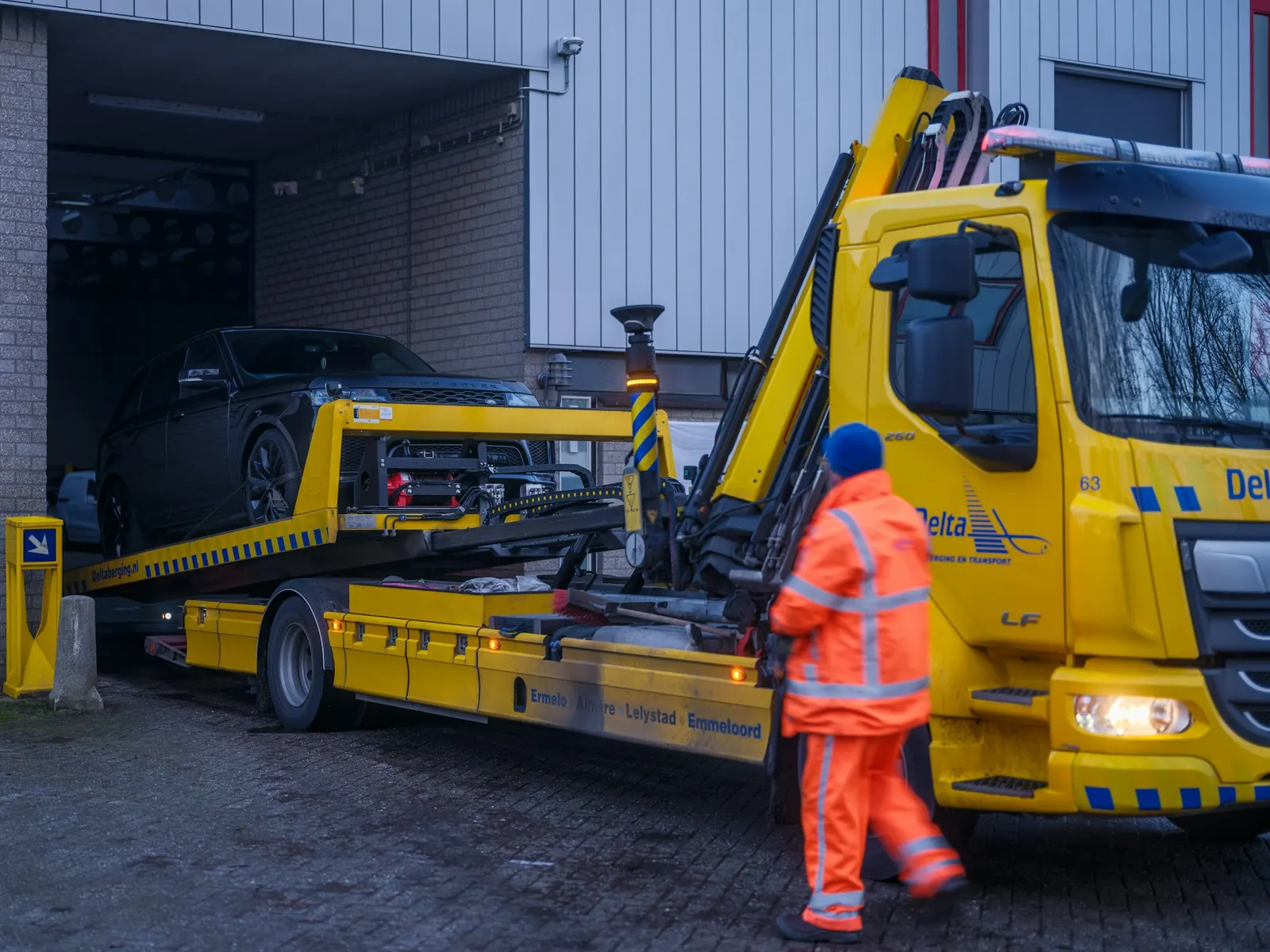
Step 8: Operate, then add the second truck
Damage documentation. Photos of all four corners, the interior and the odometer before every hook, and a signed authorization in your dispatch app before you move a vehicle. Damage claims are the biggest single source of losses in light-duty towing, and photos win them.
Dispatch software. Towbook, TOPS or similar ($50 to $250 a month) handles calls, GPS, motor club digital dispatch, invoicing, storage inventory and lien paperwork.
Maintenance. Hydraulic fluid and cable inspection weekly, brakes and tires monthly, and a maintenance reserve of $0.15 to $0.20 per mile.
The second truck. Add it when you are turning down 3 or more calls a day for two weeks running and have 12 months of clean loss history (insurance on truck two will be far better). The second truck usually means a driver at $16 to $24 an hour or 25 to 35 percent of call revenue. Gross roughly doubles, but you add payroll, workers’ comp at towing rates, a second premium, and dispatch coverage that is not you. Net margin drops from roughly 55 to 65 percent on a solo truck to 30 to 40 percent on two or three. The storage lot and police rotation are what push margins back up beyond that.
How much can you make?
| Scenario | Calls / day | Avg revenue per call | Monthly gross | Monthly costs | Monthly profit |
|---|---|---|---|---|---|
| Part-time, nights and weekends, one used wheel-lift | 3 (4 days/wk) | $110 | $5,700 | $3,200 (insurance, payment, fuel) | ~$2,500 |
| Full-time solo, one rollback | 7 (6 days/wk) | $125 | $22,700 | $9,500 | ~$13,200 |
| Small fleet, 3 trucks, 2 drivers, storage lot, rotation | 18 | $135 plus storage | $80,000 | $56,000 (payroll, insurance, lot, fuel, payments) | ~$24,000 |
A full-time solo owner-operator nets $100,000 to $150,000 a year in a strong market once the truck is busy; the first six months are much thinner while reviews and accounts build. The ceiling for a single truck is calls per day and hours you can safely drive. Beyond one truck, profit growth comes from storage fees and rotation work more than from towing itself.
Mistakes that sink new tow truck business owners
- Buying the truck before the insurance quote. Some carriers will not write a new venture at all, and the quote can be $6,000 higher than you guessed. Fix: bind coverage in principle first, then buy the truck the policy will cover.
- Living on motor club calls. $45 tows with 20 miles of deadhead lose money once fuel and the truck’s hourly cost are counted. Fix: cap motor club work at a third of your calls after month three.
- No photos, no signature. A damage claim you cannot rebut costs $1,500 and a deductible, and an at-fault claim raises premiums for three years. Fix: four-corner photos and a signed authorization on every vehicle.
- Jumping into PPI without reading the statute. Fee caps, signage rules, notice requirements and payment rules vary by state and are enforced, often with angry customers filming. Fix: get the rotation and account business first; add PPI only with a lawyer’s read of the local rules.
- Underpricing to win shops. A $65 local rate for a body shop that sends two tows a week does not cover the truck’s hourly cost. Fix: $85 to $125 flat, net-15, and let the low-baller have the account.
- Not answering the phone. Every missed call at 11 p.m. is a $150 tow that went to the next listing. Fix: a call-forwarding plan, an answering service, or a partner who covers the phone when you are under a car.
Your first 30 days
Week 1
- Form the LLC, get the EIN, open a business bank account.
- Get three towing insurance quotes from agents who specialize in it; confirm they will write a new venture and what truck specs they prefer.
- Apply for the USDOT number. Search your state’s tow operator and storage facility licensing rules and list every permit you need.
- Build the website on Restart: services, pricing, service area, tap-to-call. Set up a business phone line and Google Business Profile.
Week 2
- Buy the truck after a towing-shop inspection; bind insurance and finalize financing the same day.
- Order straps, chains, dollies, light bar, PPE, jump pack, lockout kit and truck lettering.
- Get your DOT medical card and register for a WreckMaster or TRAA Level 1 course.
- Apply to Agero, Urgently, Honk and Swoop with your COI and truck photos.
Week 3
- Complete city towing permits and truck inspection. Ask the police department who runs the rotation list and what it requires.
- Set up dispatch software, card reader and GPS. Build a pre-hook photo checklist and digital authorization form.
- Practice hooks on friends’ cars: front-wheel drive, AWD with dollies, low-clearance.
- Visit 15 mechanics, body shops and used-car lots with your flat-rate card.
Week 4
- Take your first motor club and private calls. Photograph every vehicle, collect payment on the truck, text a review request within the hour.
- Follow up with every shop you visited; land at least two accounts on net-15 terms.
- Track calls per day, revenue per call, deadhead miles and fuel. Adjust your Google service area to match your real 30-minute reach.
- Put the rotation application on the calendar.