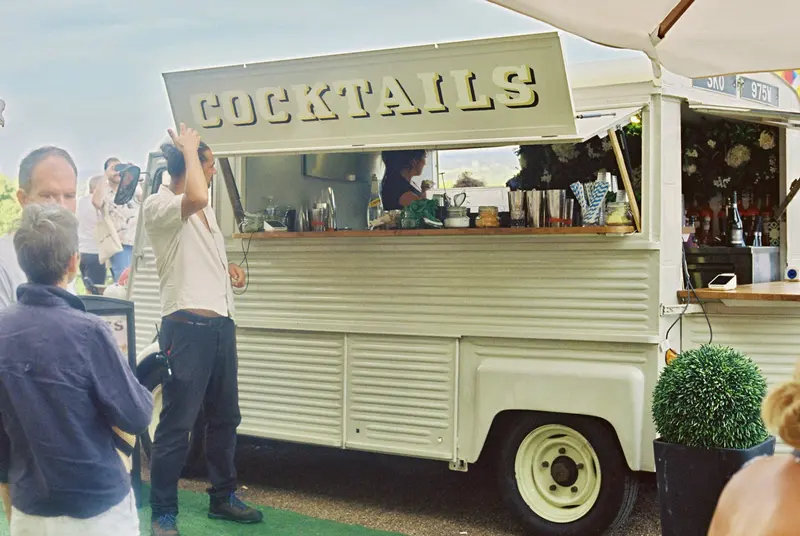
A day-of wedding coordinator in a mid-size US city charges $1,500 to $2,500, and the job takes 45 to 60 hours once you count the timeline meetings, vendor confirmation calls, the rehearsal, and a 14-hour Saturday. That is $30 to $45 an hour before expenses, which is why the beginners who price coordination at $600 “to get started” burn out by their tenth event. Pricing, not talent, is where most new planners fail.
This guide covers how to start an event-planning business in 2026 as a solo operator: choosing between weddings, corporate, and social events, the insurance venues will actually ask about, a realistic startup budget, pricing that makes the hours pay, contracts that protect you, and how to book your first five events with no portfolio yet. It is written for someone doing this for real income, not as a favor for friends.
What an event planner’s work actually looks like
The Saturday is the visible part. The rest of the week is email: vendor quotes, seating-chart revisions, a caterer who needs final counts, a mother of the bride who wants to “just run something by you.” A full-service planner spends 150 to 300 hours on one wedding across 9 to 14 months; a 200-person corporate conference takes about 200 hours, most of them in the final three weeks.
Seasonality is severe for weddings: in most of the country, May through June and September through October carry 60 percent of the year’s events, and January is dead except for consultations. Corporate is steadier, with a crush in Q4 for holiday parties and a lull in summer. Social events (milestone birthdays, mitzvahs, anniversaries) fill gaps.
Two market signals. A mid-range US wedding budget runs $25,000 to $45,000, and planners typically capture 8 to 15 percent of it in fees. Corporate clients routinely pay a $3,000 to $8,000 management fee for a one-day event with a $30,000 budget, and they rebook annually if you deliver.
The people who last are unflappable when the cake collapses, genuinely like clients at their most stressed, and keep spreadsheets for fun. What kills these businesses is underpricing, taking every job regardless of fit, and scope creep: the “partial planning” client who ends up getting full planning for half the fee.
Step 1: Pick your market and your service tiers
Choose one primary market for your first year.
- Weddings. Largest demand, most competition, highest emotional stakes. Three standard tiers: day-of or month-of coordination, partial planning, and full planning. Coordination is the entry point because couples who planned their own wedding still need someone to run it.
- Corporate. Conferences, retreats, product launches, holiday parties, sales kickoffs. Fewer clients, larger budgets, repeat business, weekday hours. Buyers are executive assistants, marketing managers, and HR. Harder to break into without a referral or a corporate background.
- Social. Milestone birthdays, mitzvahs, quinceañeras, baby showers, anniversaries. Budgets from $3,000 to $30,000, shorter timelines, less seasonality. Often the fastest first bookings.
- Nonprofit galas. Committee-driven and slow to decide, but annual and loyal. Fees of $5,000 to $15,000.
Decide your tiers before you talk to a single client, and write what each includes and excludes. A day-of coordination package, for example: unlimited email from 60 days out, one venue walk-through, a detailed timeline, vendor confirmations the week of, rehearsal direction, and up to 12 hours on site with one assistant. Anything else is an add-on with a price.
Step 2: Set up the business legally
Form an LLC ($50 to $500 depending on your state). Event planning involves large sums of other people’s money and vendors who can fail, and an LLC is the line between a client lawsuit and your savings. Get an EIN from the IRS (free, same day) and open a business bank account.
There is no event-planner license in any state. The permits you may actually need:
- A local business license or home-occupation permit, required by most cities for any home-based business ($25 to $150).
- A sales tax permit if you resell anything tangible: rentals, decor, favors, signage. Planning fees themselves are not taxable in most states, but check your state’s department of revenue, because a few tax services.
- Event-specific permits belong to the client or venue, but you will be the one pulling them: temporary alcohol permits (usually through the caterer or a licensed mobile bartender), park and public-space permits, tent permits over a certain square footage, amplified-sound permits, and health department permits for food. Build a checklist per venue type.
Certifications: none required. The Certified Meeting Professional (CMP) matters for corporate and requires documented experience and an exam. The Certified Special Events Professional (CSEP) is similar for social and gala work. Skip both in year one and spend the money on a styled shoot.
Tip: Ask the three venues you most want to work with what they require from a planner before they will list you. The answer is almost always a certificate of insurance naming the venue, so buy insurance before you pitch them.

Step 3: Buy the insurance venues will ask for
- General liability. $1 million per occurrence, $2 million aggregate. Covers a guest tripping on your signage or damage to a venue. $500 to $1,200 a year for a solo planner. Venues will require a certificate of insurance (COI) naming them as additional insured; your carrier issues these free or for a small fee.
- Professional liability (errors and omissions). Covers you when a mistake costs the client money: a wrong date sent to the caterer, a missed permit that shuts down the bar. $500 to $1,200 a year. Often bundled with general liability by event-industry insurers.
- Hired and non-owned auto. You will drive to venues with a trunk full of centerpieces and send an assistant for ice. $150 to $400 a year added to your policy.
- Inland marine or business property if you own inventory such as signage, linens, or arches: $200 to $500 a year.
- Workers’ compensation once you hire, even day-of assistants in many states: roughly $1 to $2 per $100 of payroll.
- Event cancellation insurance is the client’s purchase. Recommend it in writing for every event over $20,000.
Total for a solo planner in year one: $1,200 to $2,800.
Step 4: Budget your startup costs
You do not need an office, a van, or inventory. You need to look established and be able to handle a Saturday.
| Item | Lean start | Full setup |
|---|---|---|
| LLC, EIN, local business license | $150–$600 | $400–$900 |
| General and professional liability insurance, year one | $1,000–$1,500 | $1,800–$2,800 |
| Website, domain, business email | $100–$300 | $300–$800 |
| Planning software (Aisle Planner, HoneyBook, Dubsado) | $300–$500 | $600–$1,000 |
| Contract template reviewed by a local attorney | $0–$300 | $500–$1,200 |
| Styled shoot for portfolio (venue, florals, photographer split) | $300–$800 | $1,500–$3,000 |
| Day-of emergency kit, clipboard, radios, steamer | $150–$300 | $400–$800 |
| Branding, headshots, business cards | $100–$400 | $800–$2,000 |
| Directory listings and ads (The Knot, Zola, local) | $0–$500 | $1,200–$3,000 |
| Small inventory (signage easels, table numbers, linens) | $0 | $500–$1,500 |
| Total | $2,100–$5,200 | $8,000–$17,000 |
The styled shoot is the line beginners skip and should not. Partner with a new florist and a new photographer who also need portfolio images, split the venue rental, and you walk away with 40 professional photos of your work before you have a paying client.
Step 5: Price so the hours pay
Planners price four ways, and you will use more than one.
| Service | Typical 2026 price | Hours involved |
|---|---|---|
| Day-of / month-of wedding coordination | $1,200–$3,000 | 40–60 |
| Partial wedding planning | $3,000–$6,000 | 80–150 |
| Full wedding planning | $5,000–$12,000 (10–20% of budget for luxury) | 150–300 |
| Social event (milestone birthday, mitzvah) | $1,500–$6,000 | 30–100 |
| Corporate one-day event management | $3,000–$8,000 or 15–20% of budget | 60–150 |
| Hourly consulting | $60–$150/hr | as booked |
Flat packages versus percentage
Flat packages are easier to sell and protect you from a client who cuts the budget after you have done the work. Percentage pricing (10 to 20 percent of total spend) scales with luxury events where a $100,000 budget means far more vendors and revisions. Many planners quote a flat fee with a floor and a clause that budgets above a threshold convert to percentage.
Vendor commissions
Some venues, rental companies, and florists pay planners 5 to 10 percent referral commissions. Taking them without disclosure is a lawsuit waiting to happen and the fastest way to lose a client’s trust. Either disclose in your contract that you may receive vendor referral fees, or refuse them and say so in your marketing. Both work; hiding does not.
The math
Suppose you sell two coordination packages a month at $1,800 and one partial-planning package at $4,000: $7,600 a month, $91,200 a year, on about 25 events. Subtract $800 a month for assistants on event days (two assistants × 10 hours × $25 × 1.5 events), $400 for software, insurance, and marketing, and you net around $6,400 a month. That is a realistic year-two solo business at full capacity. In year one, plan for half.
Step 6: Contracts, deposits, and the paperwork that saves you
Every event gets a signed contract before you do any work, and it covers:
- Scope, defined by what is included and what is not, with hourly rates for anything outside it.
- Payment schedule: a non-refundable retainer of 25 to 50 percent at signing, the balance due 14 to 30 days before the event. Never let a balance run past the event date.
- Cancellation and postponement terms, including what happens if the client moves the date to one you cannot make.
- Force majeure, written after 2020 with specifics about what counts and what you owe.
- Vendor liability: you coordinate vendors but are not responsible for their performance or their contracts.
- Your role on site: you direct, you do not carry furniture or clean up, unless that is priced in.
- Overtime: an hourly rate for time on site beyond the contracted hours, triggered automatically.
Pay a local attorney $300 to $800 to review your template once, then run every client through the same signing and invoicing flow in your planning software.
Step 7: Get online and look like a working planner
Couples and corporate buyers alike will look at your website before they reply to your email. It needs a portfolio (the styled shoot, then real events), your packages with prices or starting-at figures, the venues you have worked in, testimonials, a short about page with your face, and a check-my-date form that asks for the event date, venue if known, guest count, and budget range. Planners who hide pricing spend hours on consultations with people who can afford a third of their fee.
That is a home page, a services and pricing page, a portfolio, a testimonials page, an about page, and the inquiry form. You can have Restart build it: describe the business, your packages and prices, your service area, and how you want people to reach you, and it builds the pages, writes the copy, designs the site, and publishes it to a real URL. Change anything afterward by asking. It is the same approach Restart takes for other service businesses.
Then: a Google Business Profile as a service-area business, an Instagram account where every post is a real event with vendors tagged (this is how other vendors find you), and a phone number you answer. Ask every client for a Google review within a week of the event.
Step 8: Book your first five events
You have insurance, a contract, and a portfolio from one styled shoot. Now you need bookings, and they come from vendors before they come from clients.
- Venue preferred-vendor lists. Venue coordinators recommend planners who make their job easier. Visit your target venues, bring a one-page profile and your COI, and ask what their clients need most. Offer to shadow one event for free.
- Photographers, florists, caterers, DJs. They see couples months before a planner is hired. Take five of them to coffee. Refer to them first; they will return it. A photographer who trusts you is worth more than any ad.
- The styled shoot itself gets submitted to wedding blogs and local publications, which link back to you.
- Directory listings. The Knot, WeddingWire, and Zola cost $100 to $400 a month and produce leads that convert at 5 to 10 percent. Worth it in year one for weddings; skip for corporate.
- Corporate: LinkedIn outreach to executive assistants and office managers at companies with 50 to 500 employees, offering to plan the holiday party. Chambers of commerce and networking groups produce these contacts in person.
- Social: neighborhood Facebook groups and Nextdoor, where “who did your daughter’s quince?” is asked weekly.
For your first five events, price coordination at the bottom of your market range, not below it: $1,200 to $1,500, with the client agreeing to a review and photos in return. Do not work for free “for exposure” beyond the styled shoot; free clients are the most demanding, and a $0 price anchors your value there.

Step 9: Run the operation and scale past yourself
Systems
Build a master timeline template, a vendor contact sheet, a run-of-show template, and a day-of emergency kit (sewing kit, stain remover, fashion tape, chargers, extension cords, a steamer). Confirm every vendor by phone the week of and send the run-of-show to all of them 48 hours out. Your reputation is built on vendors saying “she had everything ready.”
Hiring
Your first hire is a day-of assistant at $20 to $30 an hour, paid as a W-2 employee or through a staffing arrangement once you learn your state’s rules on contractors. Two events on the same Saturday is when you need a lead coordinator ($35 to $50 an hour or a per-event fee of $400 to $700) who can run an event without you. That is the point where you stop being a planner and start running a planning company.
What breaks at 2×
At 40 weddings a year, the constraint is not Saturdays but weekday hours: consultations, revisions, and vendor email double while your capacity does not. Fix it with an onboarding questionnaire that pre-answers 80 percent of client questions, a client portal in your planning software, and firm response-time boundaries in your contract. Planners who scale past $200,000 have either a lead coordinator running half the events or a corporate book where each client is worth $20,000 a year.
Watch out: Never accept vendor payments into your own account to pass along. If a vendor defaults, the client will hold you responsible for money you no longer have. Clients pay vendors directly; you coordinate.
How much can you make?
| Level | Events per year | Average fee | Gross | Costs (assistants, software, insurance, marketing) | Net before tax |
|---|---|---|---|---|---|
| Side income (coordination only, 1–2 a month) | 15 | $1,600 | $24,000 | $6,000 | ~$18,000 |
| Full-time solo, year two (mix of tiers) | 25 | $3,600 | $90,000 | $18,000 | ~$72,000 |
| Small team (you plus a lead coordinator and assistants) | 45 | $4,200 | $189,000 | $75,000 | ~$114,000 |
The ceiling for a true solo planner is around $90,000 to $120,000, set by the number of Saturdays and the hours in a week. Past that, income comes from a team or from corporate accounts with five-figure fees.
Mistakes that sink new event-planning business owners
- Pricing coordination under $1,000. Sixty hours for $800 is $13 an hour, and you cannot raise prices on referrals from a client who paid that. Fix: start at the bottom of your market’s range and raise it after every five bookings.
- Working without a contract. The couple’s aunt “handles the money” and the balance never arrives. Fix: signed contract and retainer before the first planning meeting.
- Unlimited scope. “Partial planning” becomes full planning because you said yes to one more thing. Fix: a written inclusion list and an hourly rate for everything else, quoted cheerfully.
- Skipping insurance. The venue asks for a COI two days before the event and you cannot produce one. Fix: general and professional liability before you pitch a single venue.
- Taking undisclosed vendor kickbacks. A client discovers the florist paid you 10 percent and posts about it. Fix: disclose in the contract or decline the money.
- Holding client money for vendors. A caterer folds with $6,000 of the client’s deposit that passed through your account. Fix: clients pay vendors directly, always.
Your first 30 days
Week 1
- Choose your primary market and write out three service tiers with inclusions, exclusions, and prices.
- Form your LLC, get your EIN, open a business bank account, and apply for your local business license.
- Get quotes for general and professional liability from two event-industry insurers.
- Draft your contract from a reputable template and book an attorney review.
Week 2
- Bind insurance and request a sample COI so you know how fast your carrier turns them around.
- Recruit a florist and photographer for a styled shoot; book a venue date within the next three weeks.
- Build the website on Restart with your tiers, pricing, about page, and check-my-date form; set up business email and a phone line.
- Set up planning software with your contract, invoice, and questionnaire templates.
Week 3
- Hold the styled shoot; get 40 edited images within two weeks of it.
- Visit three target venues with a one-page profile and your COI; ask to shadow an event.
- Claim your Google Business Profile; publish the Instagram account with the first behind-the-scenes shoot content.
- Take two vendors (a caterer, a DJ) to coffee.
Week 4
- Announce the business to your network with a specific offer: coordination at your introductory price for the first three bookings in exchange for reviews.
- List on one wedding directory if you are in the wedding market; start LinkedIn outreach to ten executive assistants if corporate.
- Build your master timeline, run-of-show, and vendor confirmation templates.
- Assemble the emergency kit and price out your first assistant so you can quote a two-person day.