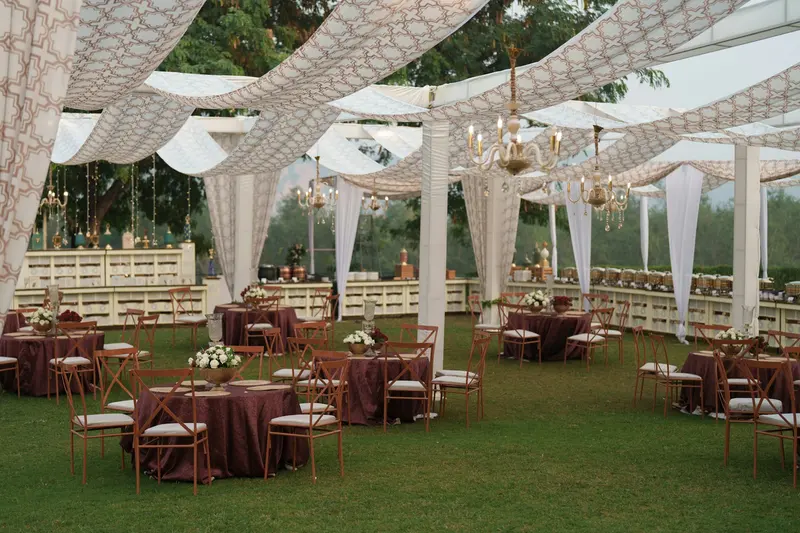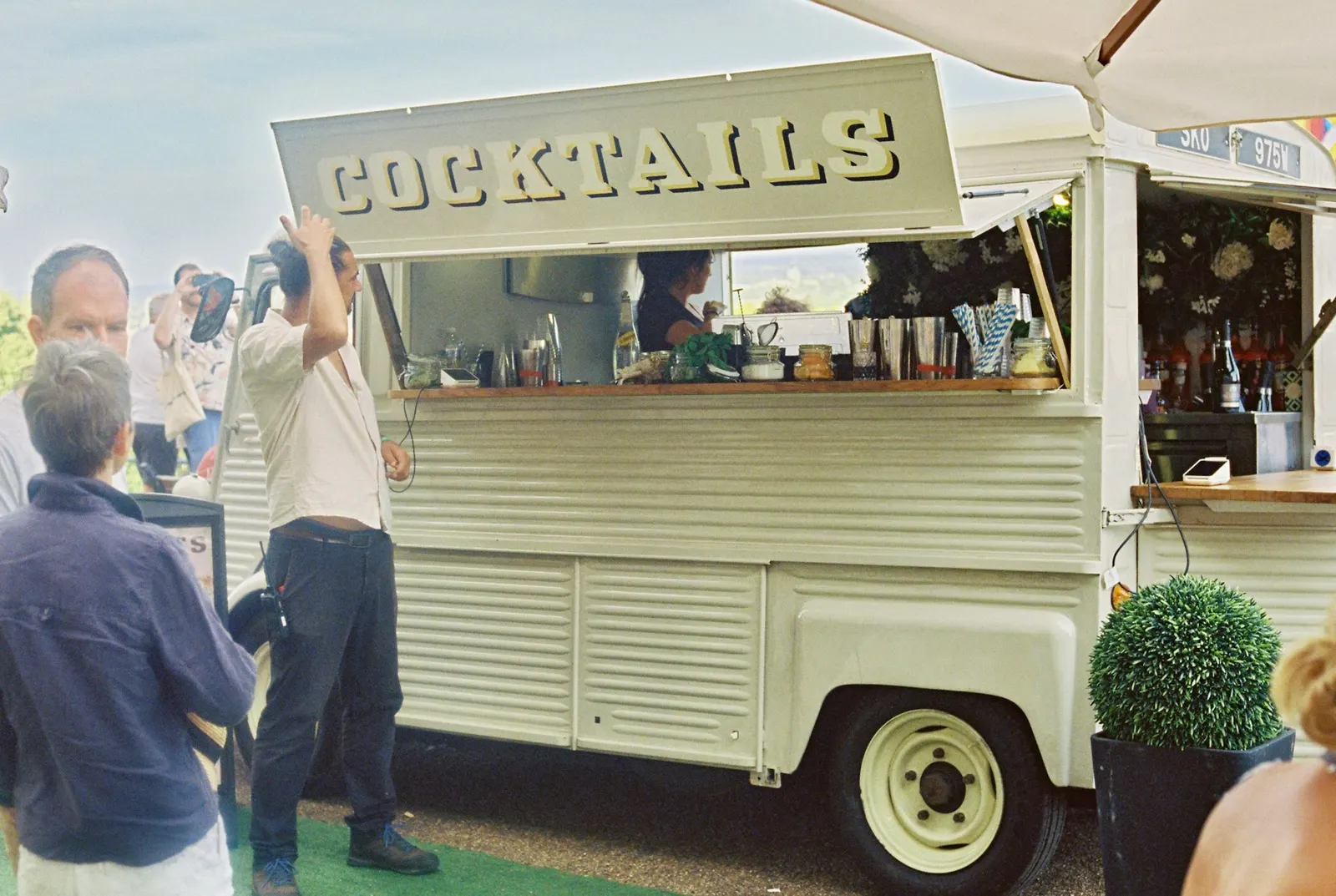
Half of the people who ask how to start a mobile bartending business are picturing the trailer: a gutted horse trailer with reclaimed wood, brass taps and string lights, parked next to a barn wedding. The trailer is the least important decision you will make. Operators who book 60 events in their first year almost always start with a $400 folding bar, good tools and a liquor liability policy, and add the trailer later, if ever.
What decides whether this business works is a legal question (who buys the alcohol) and a scheduling one (how many Saturdays you can fill). Get both right and you can clear $60,000 a year solo without owning a single bottle of liquor.
This guide covers the dry-hire model and why most new operators should use it, the permits and insurance that matter, a startup cost table, per-guest pricing, booking the first five events, and what a realistic year looks like. It is for someone confident behind a bar who wants to turn that into a business.
What a mobile bartending business actually looks like day to day
The job is 80 percent logistics and 20 percent making drinks. A typical Saturday wedding: pack the van by noon, arrive 90 minutes before the ceremony, set up, ice down 20 cases of beer and wine, batch two signature cocktails, then serve four to five hours with one rush after the ceremony and another after dinner. Break down, haul out your own trash (venues care), get home at midnight. Ten hours on your feet, maybe five of them bartending.
Demand is lumpy. Wedding season in most of the US runs May through October with a December bump for corporate parties. Saturdays sell out first, then Fridays, then Sunday afternoons. January through March is slow almost everywhere, which is why good operators treat winter as sales season and book the following summer between January and April.
The people who thrive are calm when 40 guests hit the bar at once, do not mind physical work, and are willing to sell. You will spend more time answering quote requests and following up with planners than shaking cocktails. What kills these businesses is a thin calendar (fewer than 30 bookings a year), an uninsured incident, or underpricing a full package and discovering you made $18 an hour after mixers and ice.
Two market signals: a bartender-only booking for a 100-guest event runs $300 to $500 in most US metros, while a full package with bar, mixers, garnish and disposables for the same event runs $1,500 to $3,500. The second number is where the business is.
Step 1: Choose your service model
There are three ways to structure a mobile bar, and the choice determines your licensing, insurance and margins.
Dry hire (client provides the alcohol)
The client buys the beer, wine and spirits. You provide bartenders, the bar, mixers, garnish, ice, cups and a shopping list so they buy the right quantities. You never take title to the alcohol and never sell it, which is why in most states it needs no liquor license. Margins are excellent: your cost of goods is mixers, ice and garnish, roughly $2 to $4 per guest.
Full service (you sell the alcohol)
You buy the alcohol and charge for it, as a per-guest package or a consumption bar. This requires a caterer’s liquor license or special event permit in nearly every state, from a few hundred dollars to several thousand a year plus a longer application. Revenue per event roughly doubles, but so do working capital, liability and paperwork. Established companies move here in year two or three.
Bartender staffing only
You work behind the client’s bar with your own tools, at $40 to $85 an hour. A useful weeknight filler, not a business on its own.
Within dry hire, pick your unit: a folding portable bar ($300 to $900) fits in an SUV and works indoors and out; a trailer or converted vehicle ($8,000 to $40,000) books itself for outdoor weddings but cannot go indoors, needs a tow vehicle and needs a place to park.
Tip: Start dry hire with a portable bar. Add “trailer bar” as a premium upgrade only after you have 20 events on the books and clients asking for it.
Step 2: Set up the legal side
Entity and tax basics
Form an LLC. Alcohol service carries real liability and an LLC keeps a lawsuit from reaching your personal assets, provided you keep business money separate. Filing fees run $50 to $500 by state. Get a free EIN from the IRS the same day, open a business checking account, and register for a sales tax permit. Whether bartending services are taxable varies by state (many tax equipment rental but not labor), so ask when you register.
Alcohol server certification
Get a recognized alcohol server certification before you quote anything: TIPS, ServSafe Alcohol, or your state’s own program (Texas TABC seller-server, Illinois BASSET, Washington MAST, Oregon OLCC). A handful of states require it for anyone serving alcohol; everywhere else, insurers and venues demand it anyway. $40 to $60, about three hours online. Every bartender you hire needs it too.
How to start a mobile bartending business without a liquor license
If you run dry hire and never sell alcohol, most states do not require a license. But “sell” is read broadly: bundling alcohol into a per-guest package, selling drink tickets, or taking a fee tied to alcohol volume can all count. Call your state’s alcoholic beverage control agency (search “[state] ABC” or “[state] liquor control board”) and ask two questions: is a license required to serve client-supplied alcohol for a fee, and what is required if you ever supply the alcohol yourself. Write down who you spoke to and when.
Local permits
Check three things with the city or county where you will work most: a general business license ($50 to $150), whether a beverage-only mobile unit needs a health permit (ice and garnish sometimes trigger one), and whether a trailer needs a fire inspection for propane or generators.
Step 3: Get insured properly
Insurance is not optional in this business, and the venue will usually be the one enforcing it. Most wedding venues require a certificate of insurance showing $1,000,000 per occurrence in general liability and, if alcohol is involved, liquor liability, with the venue named as additional insured.
- General liability ($1M/$2M): a guest trips over your cord, a spilled drink ruins a rented rug. $450 to $900 a year for a small operator.
- Liquor liability ($1M): claims arising from an intoxicated guest, including a drunk-driving incident after the event. This is the policy that protects you from a business-ending lawsuit. Event-specialist carriers bundle it with general liability at $600 to $1,800 a year combined; general small-business insurers often decline alcohol risk.
- Hired and non-owned auto, or commercial auto for a dedicated van or trailer: $800 to $2,500 a year. A personal auto policy will likely deny a claim if you are towing a bar trailer to a paid event.
- Inland marine: your bar, kegerator and tools in transit and on site. $150 to $400 a year for $10,000 of gear.
- Workers’ compensation: required in most states once you have a W-2 employee, and some states count regular 1099 bartenders. $1,500 to $4,000 a year for a small crew.
Budget $1,500 to $3,000 for year-one insurance solo, $4,000 to $8,000 with a trailer and staff. Ask your agent for same-day certificates, because planners request COIs on short notice.
Watch out: Some carriers exclude events where you did not supply the alcohol, or cap the number of guests. Read the exclusions page before you buy, and confirm dry-hire events are covered in writing.
Step 4: Buy equipment and budget your startup costs
You do not need much to run a great bar: the right things in duplicate where it matters (two shakers, two sets of tongs) and the ability to keep ice frozen for six hours in July.
| Item | Lean start | Full setup |
|---|---|---|
| Portable bar (folding vs. trailer or LED bar) | $400 | $12,000 |
| Bar tools, shakers, jiggers, strainers, mats, pourers | $250 | $600 |
| Coolers and ice bins (2–4 large rolling coolers) | $300 | $1,200 |
| Kegerator or jockey box, CO2, taps | $0 | $1,800 |
| Glassware or premium disposables, dispensers, drink tubs | $200 | $1,500 |
| Signage, menu boards, string lights, linens | $150 | $900 |
| Vehicle costs (using own SUV vs. hitch, wrap, generator) | $0 | $3,500 |
| LLC, licenses, server certification | $250 | $700 |
| Insurance (first year) | $1,500 | $3,500 |
| Website, domain, business cards, tasting kit | $300 | $800 |
| Total | $3,350 | $26,500 |
Skip the kegerator at first; most clients supply canned beer and wine. Spend on coolers instead. A 100-guest four-hour event needs 150 to 200 pounds of ice, and running out at 8 p.m. is the most common operational failure new operators report.
Step 5: Price your packages
Mobile bartending prices in three layers: labor, package, and add-ons. Set all three before your first client conversation, and publish starting-at prices so planners can qualify themselves.
Labor
Charge per bartender per hour with a four-hour minimum, plus setup and breakdown (typically one hour each side). Most US markets support $45 to $85 an hour for a certified bartender. One bartender handles 50 to 75 guests for beer and wine, or 40 to 50 with cocktails. Staff a 120-guest wedding with two.
Packages (per guest, four hours)
| Package | What’s included | Typical price per guest |
|---|---|---|
| Beer and wine | Bartender, bar, ice, cups, napkins, shopping list | $10–$16 |
| Standard bar | Above plus mixers, sodas, juices, garnish, basic tools | $14–$22 |
| Signature cocktail | Above plus two batched signature drinks, syrups, premium garnish | $18–$28 |
| Trailer bar upgrade | Any package served from the trailer | +$500–$1,500 flat |
A 100-guest standard package at $18 a head is $1,800. Costs: two bartenders for eight hours at $25 ($400), mixers and garnish ($250), ice ($60), disposables ($80), fuel ($40). That is $830 in direct cost and $970 gross profit. If you are one of the two bartenders, add your $200 back: roughly $1,170 for a Saturday.
Add-ons that sell
Champagne toast service ($1.50 to $3 per guest), a mocktail menu ($3 to $5 per guest, increasingly requested), extra hour ($150 to $300 per bartender), glassware instead of disposables ($1 to $2.50 per guest), a tasting for the couple ($100 to $250, credited back if they book).
The monthly math
Eight events a month at an average invoice of $1,400 is $11,200. At a 55 to 65 percent gross margin, that is $6,200 to $7,300 before overhead of $600 to $1,000 (insurance, phone, website, vehicle). Net: roughly $5,500 to $6,500 in a busy month. A winter month might see two events, which is why annual averages matter more than peaks.
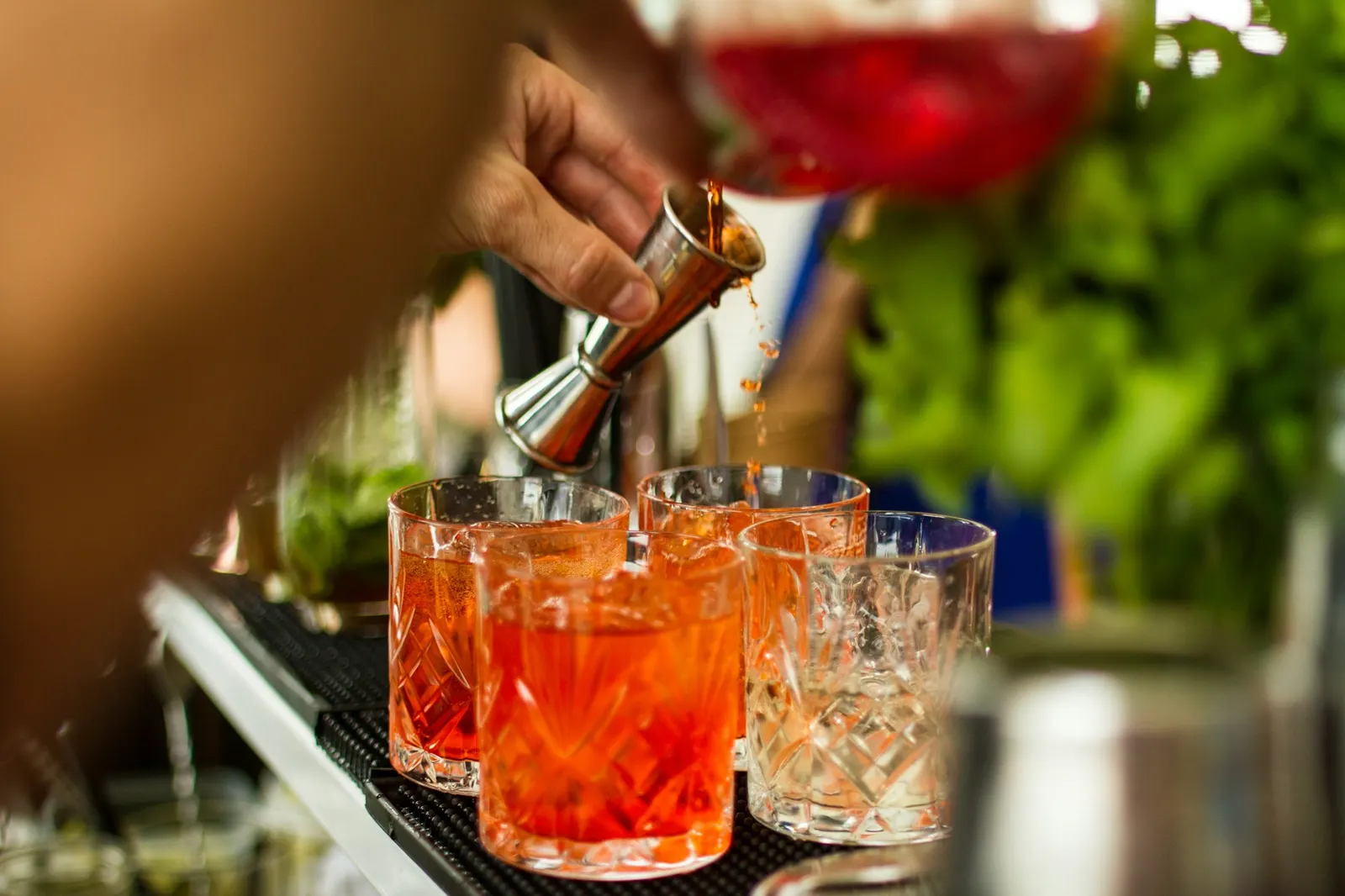
Step 6: Get online and look like a real company
Couples and planners find you three ways: a Google search for “mobile bartender [city]”, a referral from a venue or planner, or Instagram. All three end at your website, where they decide in about eight seconds whether to request a quote.
A mobile bartending website needs: packages with starting-at prices (planners skip vendors who hide pricing), your service area by county or drive radius, a sample cocktail menu, 15 to 30 real photos of your bar at real events (early on, stage one with friends and hire a photographer for an hour), proof you are insured and certified, three to five reviews, and a quote form that asks for date, venue, guest count and package. A phone number that gets answered within an hour beats every design choice.
You can have Restart build it: describe the business, your packages and pricing, your area and how you want people to reach you, and it builds the pages, writes the copy, designs the site and publishes it to a real URL. Change anything afterwards by asking, which matters when you add a trailer or raise prices next season. See what other service businesses have built if you want examples first.
Then set up a Google Business Profile as a service-area business, choose “Bartending service” as the primary category, upload the same photos, and ask every client for a review within 48 hours while they are still glowing. Ten reviews in six months will put you in the map pack for your city.
Step 7: Book your first five events
Price your first five to win and structure them to produce photos and reviews. They are paid marketing.
Channels that work for mobile bars
- Venue preferred-vendor lists. Barn, garden and industrial venues without in-house bars are your best referral source. Offer the coordinator a free bar at their next open house and ask to be listed. Ten venues on your list is a business.
- Wedding and event planners. They book bartenders for every client. Offer a free tasting and a referral thank-you (a gift, not cash, unless you have checked your state’s rules).
- The Knot, Zola, WeddingWire. $50 to $300 a month in most metros. Expect to answer 20 inquiries to book one.
- Corporate event managers and HR. Holiday parties and offsites fill December and weeknights. A direct email to office managers works.
- Facebook groups and Nextdoor for graduation parties, backyard weddings and 40th birthdays. Lower ticket ($400 to $900) but quick to book.
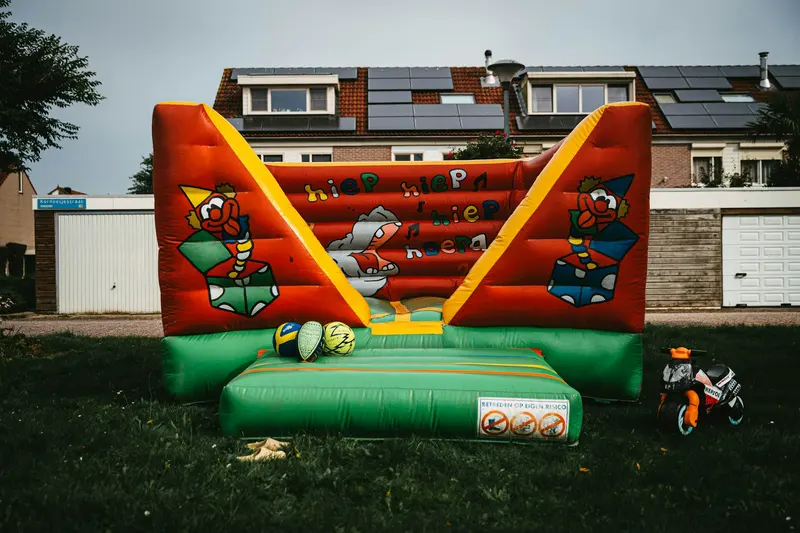
- Photo booth, DJ and rental companies. You share clients, not services. A photo booth operator or bounce house company will trade referrals all season.
What to say and what to charge
For the first five, quote 15 to 20 percent under target and say so: “We’re new in [city] and building our portfolio; this is our launch rate through [month].” Get photo and review permission in writing. Take a 25 to 50 percent non-refundable deposit and the balance 14 days out. Your contract should cover date, hours, guest count, what the client supplies, your right to refuse service to intoxicated or underage guests, and that the client is responsible for alcohol they purchase.
Tip: Send a shopping list with quantities within 24 hours of booking. Plan about one drink per guest per hour, split roughly 40 percent beer, 40 percent wine, 20 percent spirits, adjusted for the crowd. It makes you look like a pro and prevents the 9 p.m. “we’re out of vodka” panic.
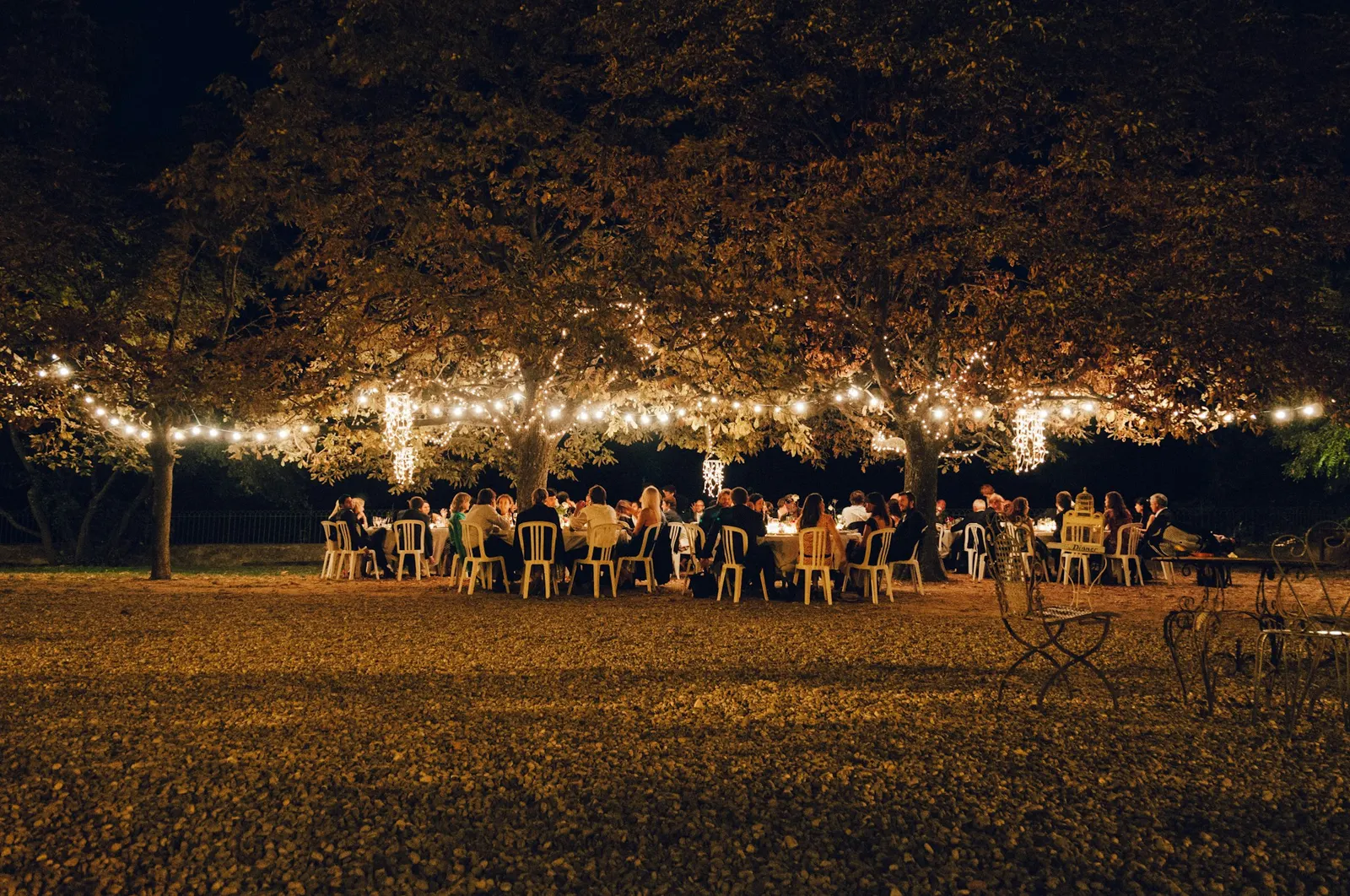
Step 8: Operate, then scale past yourself
Systems that keep weekends sane
Keep one calendar and block travel and setup time, not just event hours. Use a packing checklist by package type every time. Batch cocktails the day before in labeled cambros. Confirm with the client four days out (headcount, timeline, alcohol delivered?). Arrive 90 minutes early; venues remember late vendors longer than great ones.
Hiring your first bartender
You need a second bartender for any event over 75 guests and a substitute for your own sick days. Hire experienced restaurant bartenders who want Saturday cash: $25 to $40 an hour plus a share of tips, server certification required, two shadow events before they lead. Most operators start with 1099 contractors, but if a bartender works only for you on your schedule with your equipment, several states will treat them as an employee regardless of paperwork.
What doubling looks like
Going from 60 to 120 events a year means two events on the same Saturday: a second bar setup ($1,500 to $3,000), a second vehicle, two lead bartenders you trust, and a real scheduling tool. Revenue roughly doubles, but margin drops five to ten points because you are paying leads instead of bartending. What breaks first is quality control; a lead who is merely fine costs you the review. Ride along on every new lead’s first three solo events.
The other growth path is full service, buying the alcohol and licensing as a caterer. Invoices jump 80 to 120 percent, but you carry inventory and the liability of being the seller. Do it only when dry hire is fully booked and you are turning away clients who want one invoice.
How much can you make?
| Level | Events per year | Avg. invoice | Direct costs plus overhead | Net before tax |
|---|---|---|---|---|
| Side income (Saturdays, May–Oct) | 25 | $1,000 | $14,000 | $11,000 |
| Full-time solo | 70 | $1,300 | $46,400 | $44,600 |
| Small team (2 setups, 3 bartenders) | 140 | $1,500 | $122,500 | $87,500 |
If you are weighing how to start a mobile bartending business as a side income versus a career, the middle row is the honest target. The solo figure assumes you bartend your own events; direct costs include a second bartender when needed, and your own labor is inside the net. The ceiling for one person with one setup is about 80 to 90 events a year, because you cannot be in two places on a Saturday in June. Past that, growth comes from a second unit and staff, and your job becomes sales and operations.
Mistakes that sink new mobile bartending owners
- Serving without liquor liability. One intoxicated guest in a car and you are personally exposed. Buy the policy before the first event.
- Building the trailer first. Twelve thousand dollars into a horse trailer before a single booking is the most common regret. Book 20 events with a folding bar, then decide.
- Hiding prices. Planners will not email you to ask. Publish starting-at prices per guest and per hour.
- Quoting per hour for a package job. Hourly rates look cheap and leave money on the table. Package per guest and quote labor separately.
- Underestimating ice. Plan 1.5 to 2 pounds per guest for a four-hour event in summer, and know where the nearest 24-hour store is.
- Not sending a shopping list. Clients over-buy expensive spirits and under-buy beer, then blame you when the bar runs dry. The list protects the event.
- Ignoring the off-season. Winter is when next summer is booked. If you are not doing tastings and venue open houses in February, June will be thin.
Your first 30 days
This is how to start a mobile bartending business in a month, week by week.
Week 1
- Decide on dry hire with a portable bar; write your three packages and starting prices.
- File the LLC, get the EIN, open a business bank account.
- Complete your alcohol server certification (TIPS, ServSafe Alcohol or your state’s course).
- Call the state ABC and the county health department; write down what they say.
- Build the website on Restart with packages, pricing, service area and a quote form.
Week 2
- Get quotes from two event-specialist insurers for general plus liquor liability; buy the policy and confirm dry hire is covered.
- Order the portable bar, tools, coolers, dispensers and disposables.
- Write your contract and shopping-list template; set deposit terms.
- Set up Google Business Profile as a service-area business and an Instagram account.
Week 3
- Stage a mock event with friends; hire a photographer for one hour; upload 20 photos everywhere.
- Email ten venues without in-house bars and offer a free open-house bar.
- Reach out to five wedding planners with a tasting offer.
- Post launch pricing in local Facebook groups and Nextdoor.
Week 4
- Quote every inquiry within two hours; follow up at 48 hours.
- Book your first event at launch pricing, with photo and review permission in the contract.
- Rehearse the full pack-and-load with the checklist; line up a backup bartender.